


When someone is recovering on the street, a prescription is not enough. Through coordinated care, rapid referrals, and a shared commitment to stability, USC Street Medicine and NHF help people move from crisis toward recovery, one placement at a time.
For people experiencing homelessness, the conditions needed to heal are often out of reach: a safe place to sleep, secure medication storage, and consistent follow-up. Stable housing and coordinated support can mean the difference between repeated emergencies and a real chance at recovery. The partnership between USC Street Medicine and National Health Foundation (NHF) turns that principle into action for people facing complex health and housing challenges.
A Collaborative, Patient-Centered Partnership
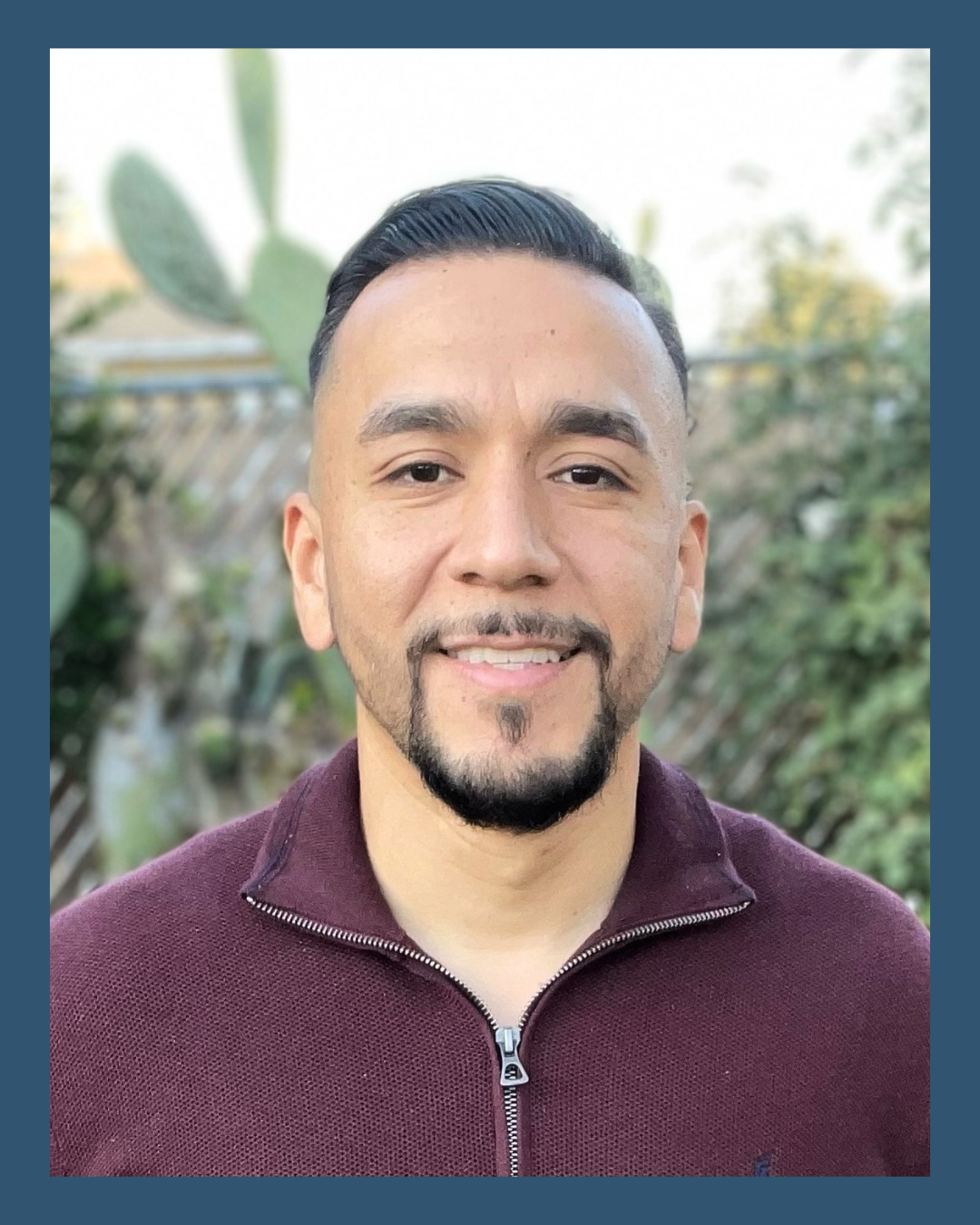
USC Street Medicine case worker Raymond Gonzales (pictured to the right) describes the relationship with NHF as collaborative, efficient, and centered on patients’ needs. When a patient needs recuperative care, the Street Medicine team can connect them to NHF and to the safety and stability essential for healing.
That connection depends on close communication between NHF’s intake team and USC Street Medicine staff. Responsive coordination and fast referral turnarounds help secure placements when the need is most urgent. On the street, circumstances can change by the minute; a timely response can keep a window of opportunity from closing.
Strengthening Comprehensive Care
The partnership enables both organizations to do more than either could alone. Unstable living conditions can push healthcare out of reach, even when the need is urgent. By connecting patients with NHF resources, Street Medicine providers help create the safe setting that recovery requires.
USC Street Medicine addresses patients’ medical and social needs while NHF provides recuperative housing and supportive services. Together, they bridge a critical gap between treatment and stability, building a continuum of care that can change the course of a person’s health.
A Real-World Example of Impact
For one patient in Echo Park, that continuum of care became a turning point.
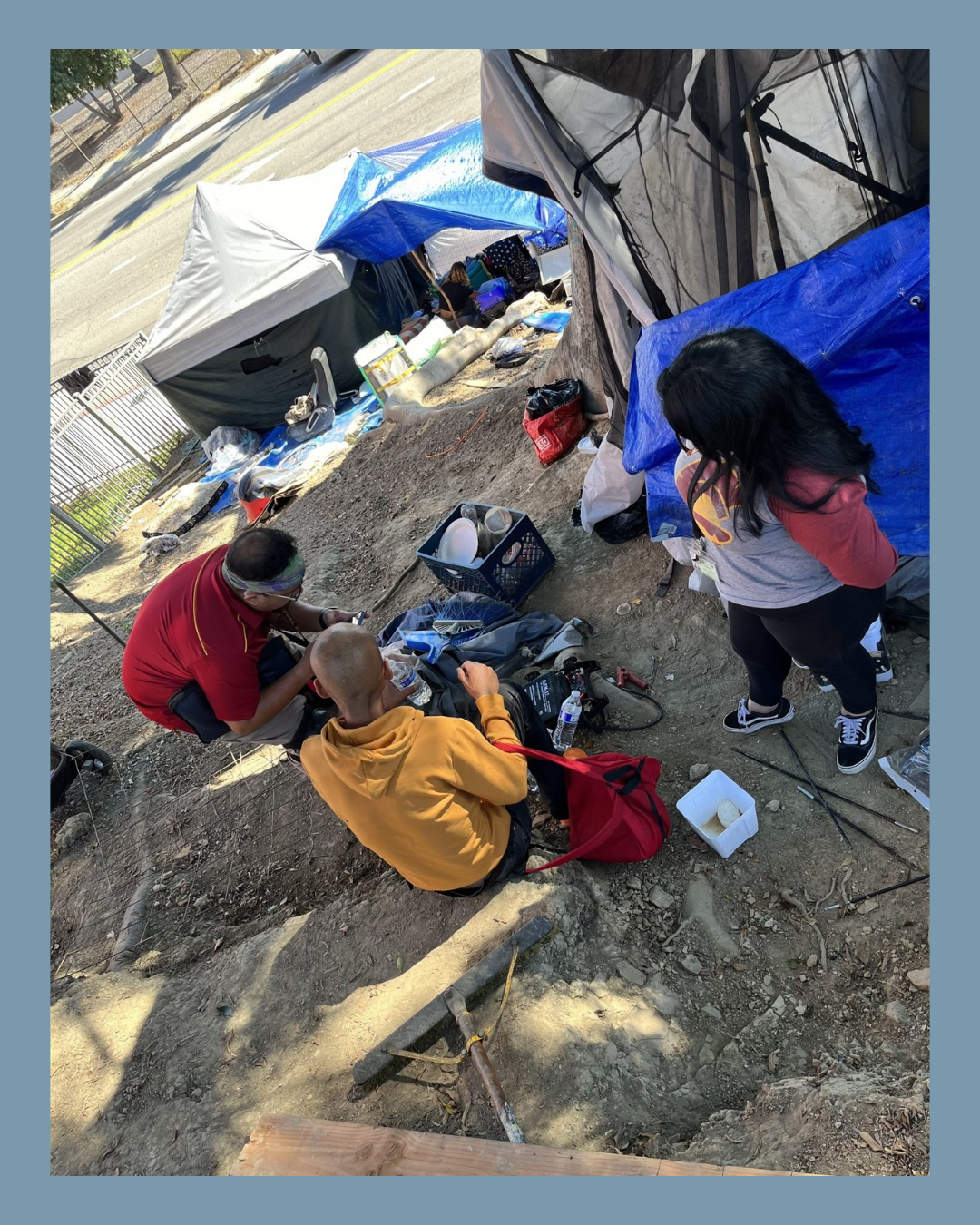
The older man was experiencing homelessness as his health rapidly declined. Even managing medication had become a daily struggle: without a secure place for his belongings, it was often lost or stolen.
Through the partnership, he found a safe, supportive environment at NHF. With a stable place to recover, he could manage his care consistently. His health noticeably improved.
His experience makes the stakes clear: healthcare access is about far more than receiving medication. People also need the stability to follow treatment plans, attend appointments, and manage chronic conditions. Without that foundation, even the best care can fall short.
Improving Continuity of Care
The collaboration also addresses one of street medicine’s most persistent challenges: continuity of care. When patients are frequently displaced or moving between locations, providers can struggle to find them, follow up, and keep treatment on track.
Placement in NHF’s recuperative care offers more than temporary shelter. It gives healthcare teams a reliable point of contact, making it possible to communicate, monitor progress, and sustain treatment plans. Instead of repeatedly starting over, providers can build on earlier care and give patients a stronger foundation for long-term health.
Lessons Learned and Opportunities Ahead
The lesson is both simple and urgent: no single organization can meet every challenge confronting people experiencing homelessness. Progress depends on partners working across systems, communicating clearly, and staying focused on shared outcomes.
The next opportunity is to build stronger pathways from temporary placements to permanent housing. Stabilization can open the door to recovery, but lasting progress requires the resources, support, and housing that help people remain healthy after transitional care ends.
A Shared Commitment to Better Outcomes
The USC Street Medicine–NHF partnership shows what becomes possible when care is coordinated around the whole person. By bringing together medical outreach, recuperative care, and case management, the organizations do more than respond to an immediate crisis, they help create the conditions for stability, better health, and a renewed quality of life.
As the collaboration evolves, its greatest strength remains a shared commitment to meeting people where they are and ensuring that a moment of care can become a lasting pathway to health, housing, and hope.